Brief Summary
Our first trip to Hokkaido. Tokyo (arrival) → Sapporo/Hokkaido → Otaru → ferry → Maizuru → Kyoto → Tokyo (departure).
Miscellaneous Notes
Travel dates: 2026-09-19 — 2026-10-07
eSIM: Mobal Japan Tourist eSIM - 31 days - 50GB Data ¥5,940
Transportation:
ZIPAIR: NRT Narita International Airport T1 arriving on Sep 20, 2026 (12:40 local time)
Spring Airlines Japan: Tokyo Narita Intl. T3 to Sapporo New Chitose D, Sun, Sep 20 (departure: 16:50, arrival: 18:35, local time)
Nippon Rent a Car: Sep 20-26, 2026
Shin Nihonkai RoPax Ferry “Keyaki”: Otaru-Maizuru Departure: October 1st, 2026 at 11:30 pm, Arrival at Maizuru on October 2nd at 9:15 pm (Total cost ¥52,000)
JR-WEST: Higashi-Maizuru ⇒ Kyoto, Sat., 3 Oct.
VIP Liner Highway Night Bus, Kyoto to Tokyo on October 3, 2026 arriving on Sunday, October 4.
ZIPAIR: NRT Narita International Airport T1 departing on Oct 7, 2026 (15:55 local time)
Hotels:
Hotel Grand Terrace Chitose: (Sep 20 - 21, 2026)
Y’s Hotel Asahikawa: (Sep 21 - 22, 2026)
Koko Hotel Asahikawa Station: (Sep 22 - 23, 2026)
Adex Inn Noboribetsu: (Sep 23 - 24, 2026)
The Toya Toyako: (Sep 24 - 25, 2026)
Cozy Inn Otaru: (Sep 25 - 26, 2026)
Keio Plaza Hotel Sapporo (Sep 26, 2026-Oct 1, 2026)
Super Hotel Higashi-Maizuru (check-in: Oct 2, 2026)
Sotetsu Fresa Inn Nihombashi-Ningyocho, Tokyo (Check-in Sunday, October 4, 2026, Check-out Wednesday, October 7, 2026)
Photos
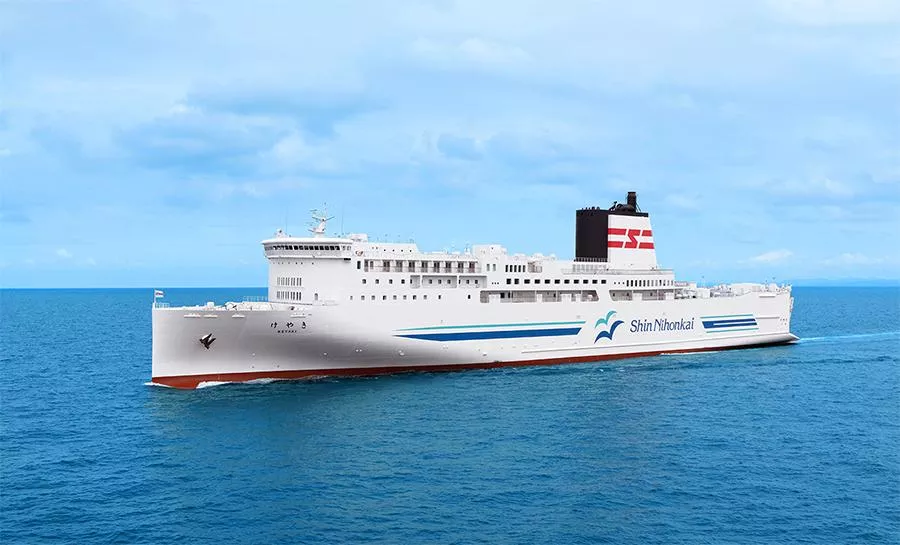
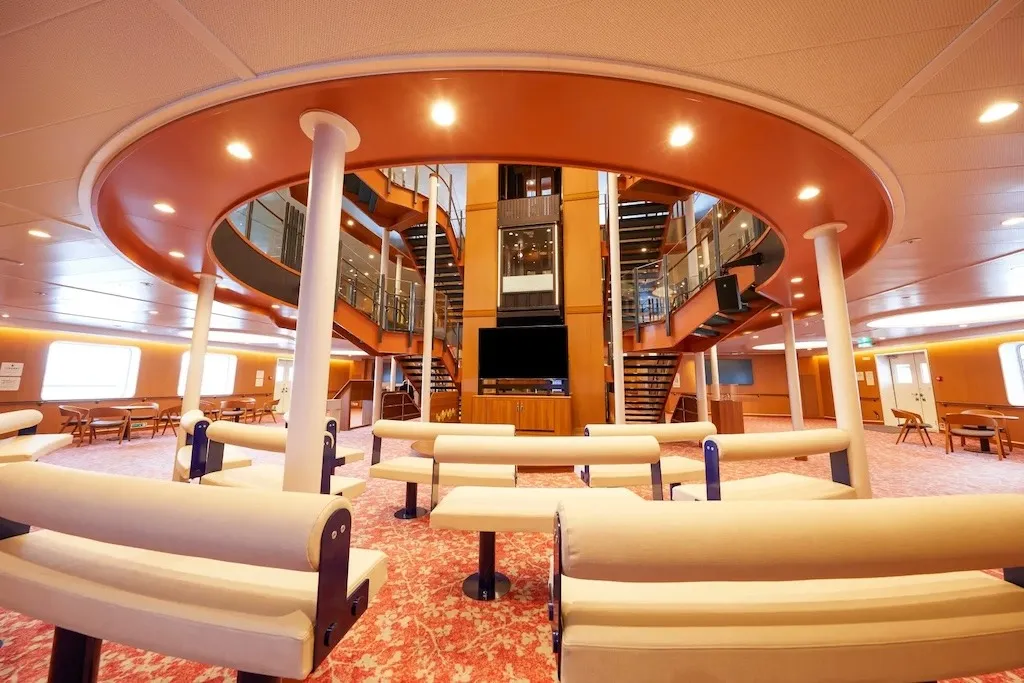
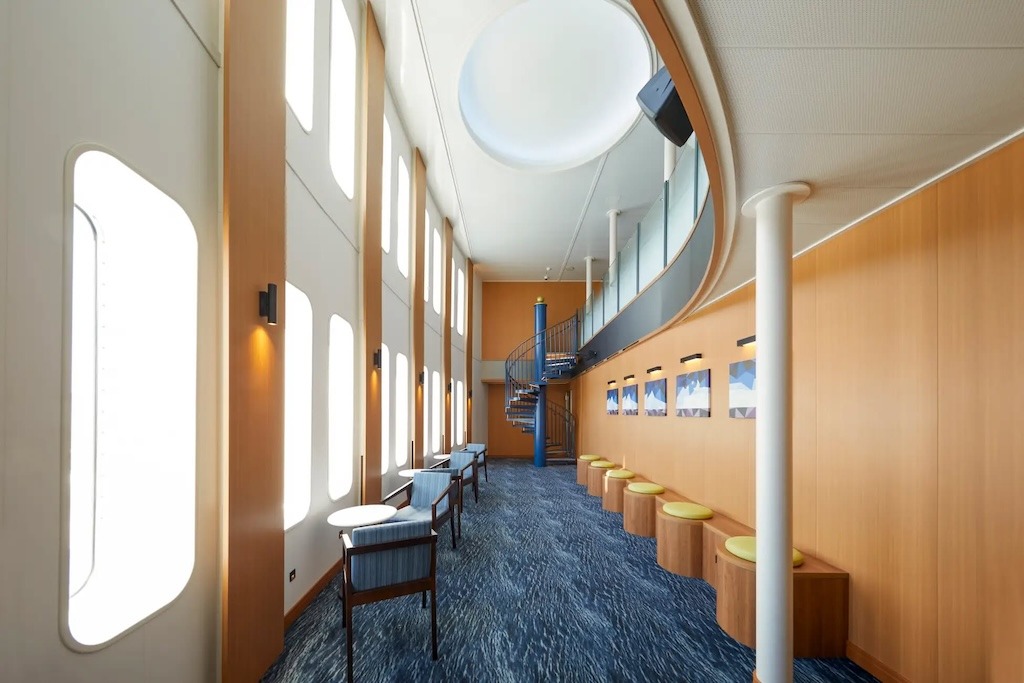
Keyaki
The interior of the RoPax ferry features open spaces including a three-story atrium at the entrance, elevators with clear walls and doors, and a forward salon with a two-story atrium. There is an open-air bath on the top deck and a multipurpose room for enjoying a variety of activities. A variety of cabins are available to provide maritime travel experiences that meet various needs.
Ship’s Particulars
Builder: Mitsubishi Shipbuilding, Shimonoseki Shipyard
Completed: November 11, 2025; entered service on November 14, 2025, with a maiden voyage from Otaru to Maizuru.
Gross Tonnage: 14,157 tons
Length: 199.0 meters
Beam: 25.5 meters
Service Speed: 28.3 knots (approximately 52.4 kilometres per hour)
Passenger Capacity: 286
Vehicle Capacity: Approximately 150 trucks and 30 passenger cars
Named After: The zelkova tree (keyaki), the official tree of Maizuru City.
Main Engines: Four Wärtsilä 14V31 diesel engines
Configuration: Twin-shaft (two propellers) with a close-coupled arrangement. This unusual design minimizes efficiency loss compared to twin-screw setups with a single shaft.
Total Output: 46,445 horsepower (34,160 kilowatts)
The Wärtsilä 31 in a nutshell
Energy efficient – Consumes on average 8–10g/kWh less fuel compared with the closest competitor across its entire load range, saving up to EUR 10,000 per day depending on your vessel type.
Fuel flexible – Can operate on HFO, MDO, low viscosity or low-sulphur fuels and LNG.
Easier to maintain plus less downtime – Save up to 20% on maintenance costs; initial maintenance required after 8,000 instead of 1,000 hours; exchange modules reduce downtime by speeding up maintenance.
Operationally flexible – dual-fuel engine can switch to gas instantaneously when your vessel enters an ECA without losing speed; the Wärtsilä 31 can easily be adapted for different operating profiles and future requirements.